
Mobile Patrol Services
What We Offer
Our Mobile Patrol teams conduct routine checks, perimeter monitoring, and security assessments designed to identify vulnerabilities before they become problems. Whether you need scheduled patrols or randomized security visits, we tailor our services to fit the unique needs of Michigan businesses, property managers, and municipalities — helping reduce risks and maintain a secure environment.
With a focus on professionalism, reliability, and proactive service, our patrol officers serve as a trusted security presence throughout your property. By partnering with local businesses and organizations across Michigan, we deliver dependable mobile security solutions that enhance safety, protect assets, and improve peace of mind for property owners and occupants alike.
Michigan Mobile Patrol Security services
Enhance the safety of your Michigan properties with our professional Mobile Patrol Services, providing flexible, visible security coverage across commercial sites, residential communities, and industrial complexes. From Detroit and Grand Rapids to Flint and Ann Arbor, our mobile patrol units help deter criminal activity, monitor premises, and provide rapid response capabilities that reinforce your overall security strategy.
GPS Tracking & Dash Cams
Here at Security and Protective Services LLC, we make sure to take the extra measures needed to ensure that our guards are doing their du diligence. All of our fleet vehicles are equiped with GPS Tracking and Dash Cameras. Provided by Safety Track.
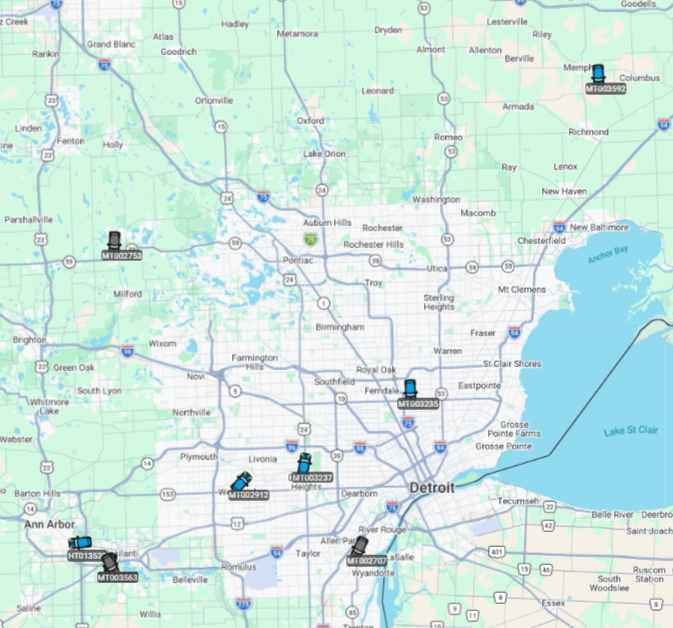
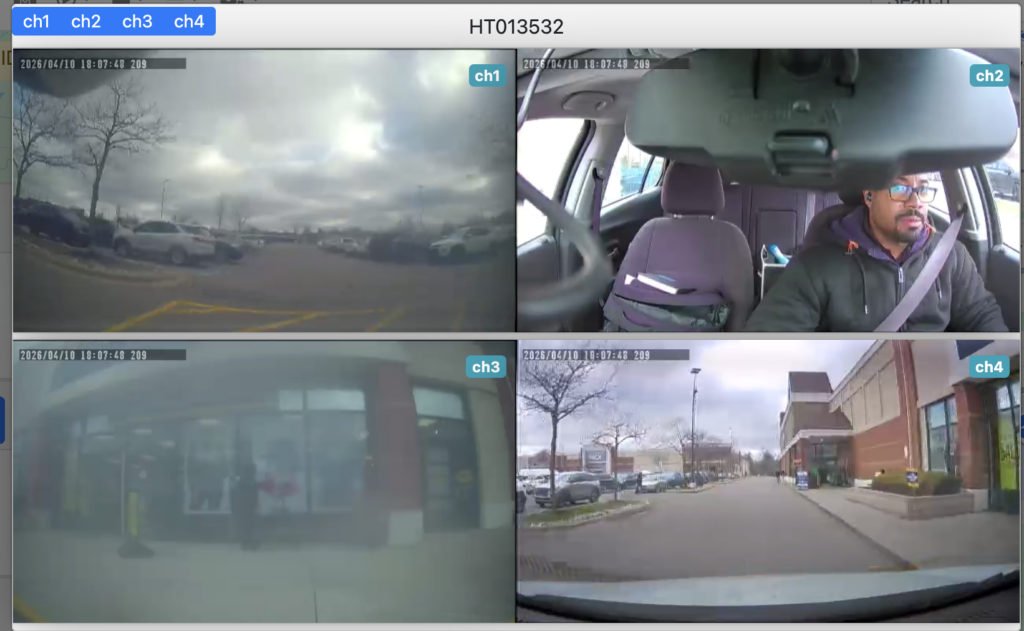
The most common question for mobile patrols is about the use of flashing lights.
Permitted Colors: Private security vehicles in Michigan are only permitted to use flashing, rotating, or oscillating AMBER (yellow)
lights.
Prohibited Colors: Using Blue or Red lights is a criminal offense (impersonating a police officer).
Usage Restriction: Under MCL 257.698, security vehicles cannot have their amber lights activated while the vehicle is in motion on a public highway. They are strictly for use while parked on private property or while performing a stationary watch.
To comply with LARA (Department of Licensing and Regulatory Affairs) standards:
No "Police" Branding: Vehicles cannot use the word "Police," "Law Enforcement," or "Sheriff." They must clearly display the words "Security," "Private Security," or "Security Patrol."
Agency Identification: The name of the licensed security agency must be prominently displayed on the vehicle (usually on both side doors).
Approval: All vehicle decal designs and color schemes must be submitted to and approved by LARA to ensure they do not too closely resemble local or state police vehicles.
A mobile patrol officer’s authority is geographically limited.
Private Property Power: On the client’s property, a security officer has the authority to deny entry, trespass individuals, and perform a "citizen's arrest" for felonies or breaches of the peace committed in their presence.
No Traffic Enforcement: Security officers cannot pull over vehicles on public roads. Even on private property (like a mall parking lot), they cannot issue state-sanctioned traffic tickets, though they can issue private "parking citations" or "tow notices" per the property owner’s rules.
Act 330 "Arrest Powers": Some elite guards are "Act 330 Certified" (Private Security Police). These officers have expanded arrest powers only while on their employer's property, similar to a deputy sheriff.
Digital Guard Touring: Modern Michigan law and insurance requirements favor "Guard Tour Systems" (GPS-enabled apps). These systems provide a digital breadcrumb trail of where the patrol vehicle was and when, which is critical for defending against "Negligent Security" claims.
Reporting: All mobile patrols are required to maintain an activity log. If a crime occurs on the property and the guard was not in the designated patrol zone, the security company (and the property owner) could be held liable.
No. Michigan law prohibits private security vehicles from being equipped with sirens. Sirens are strictly reserved for authorized emergency vehicles (Police, Fire, EMS).
It is optional. Many apartment complex and construction site patrols are unarmed. However, for "high-risk" areas, armed patrols are common. Armed guards must have a valid Michigan CPL and be authorized by their Act 330 licensed employer.
nly on private property with the owner's permission and if it doesn't violate local safety or fire codes. On public property, security vehicles must obey all standard traffic laws.
In Michigan, insurance companies often prefer randomized patrol hits (e.g., three hits per night at unpredictable times). This prevents criminals from timing the guard’s movements, which is a common tactic in high-theft areas like construction sites or fleet yards.
While not a state law, it is a best practice. Dashcam footage is often the "smoking gun" needed to help local police identify suspects in copper thefts or break-ins that occur while the guard is on a different part of the property.
Yes. Handheld or vehicle-mounted spotlights are a primary tool for mobile patrols in Michigan to check "blind spots," fenced perimeters, and dark alleyways. There is no law against using white spotlights on private property.